Tags : #Hillary_Clinton #Morocco #Marocleaks #Western_Sahara #human_rights #lobbying
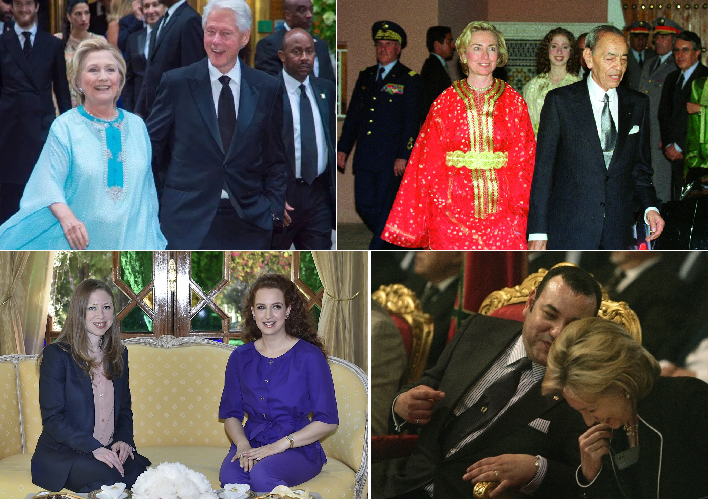
WASHINGTON, D.C. — A cache of leaked diplomatic documents and Department of Justice (DOJ) filings has pulled back the curtain on a sophisticated, multi-year lobbying campaign orchestrated by the Kingdom of Morocco. The effort specifically targeted former Secretary of State Hillary Clinton and her inner circle to secure U.S. support for Morocco’s controversial territorial claims and to polish its international image.
Key Findings: The « Marocleaks » and Political Maneuvering
The investigation, centered on hundreds of documents dubbed “Marocleaks,” suggests that the Moroccan government viewed Clinton as a primary ally. Key revelations include:
- Strategic Lobbying: Morocco maintained a high-priced team of American lobbyists who were in regular contact with the State Department during Clinton’s tenure. Several of these lobbyists are now prominent donors or officials for pro-Clinton Super PACs (e.g., Priorities USA Action and Ready PAC).
- The Clinton Foundation Connection: The Moroccan government-controlled mining company, OCP, pledged over $1 million to host a Clinton Global Initiative event in Marrakech. OCP is the world’s leading phosphate producer and operates the Bou Craa mine in the disputed Western Sahara—a territory Morocco occupies despite international condemnation.
- A « Model » Ally: While the Obama administration initially signaled a shift toward supporting a UN-backed referendum for Western Sahara’s independence, Secretary Clinton maintained a policy of « no change, » publicly praising Morocco’s autonomy plan as “serious, realistic, and credible.”
The Strategy: « Third-Party Validators »
The leaked cables detail a calculated « offensive » strategy to influence U.S. policy through non-traditional channels:
- Think Tanks: Morocco targeted influential groups like the Atlantic Council, Heritage Foundation, and Hudson Institute to act as credible « third-party validators » for Moroccan interests.
- Strategic Hires: The Kingdom retained consultants specifically for their ties to key figures, including the daughter of a former Democratic congressman with personal links to high-ranking State Department officials.
- Countering Dissent: Lobbyists were tasked with neutralizing « enemies of the national cause » (pro-independence groups) and mitigating reports of human rights abuses, child labor, and the suppression of activists within Morocco
Read also : Swedish foreign policy on the Western Sahara conflict
Diplomatic Divergence: Clinton vs. Kerry
The documents reveal a stark contrast in how Morocco perceived U.S. leadership. Memos from 2013 express deep regret over Clinton’s departure, labeling her an « important ally. » Conversely, the Kingdom viewed her successor, John Kerry, with suspicion due to his past support for Western Saharan self-determination, leading the Moroccan embassy to lament that Clinton would be « difficult to replace. »
Human Rights Concerns
Despite the high-profile praise from the Clinton family—with Bill Clinton famously stating, « We love this country »—human rights organizations like Human Rights Watch argue that Morocco’s democratic progress has stagnated. Critics contend that the Kingdom’s image as a « modernizing model » is a product of expensive Washington PR rather than substantive domestic reform.
Tags : Moroccoleaks : Rapport de Ethnographic Edge* sur le Maroc et le Sahara Occidental
« One gets a sense that this country… spends huge amounts of energy and resources on influence, particularly to assert its claim to Western Sahara. » — Eric Goldstein, Human Rights Watch.
Source : The Intercept